Monday, 28 September 2020

When Should You Get Your Oil changed?

when should you get your oil changed

Did you know that the most cost-effective way to keep your car in tip-top shape is to take care of regular oil changes?  But you may be wondering when should you get your oil changed?  Many auto mechanics have reported that they see vehicles with damaged or dirty engines because drivers didn’t know what oil to use or they waited too long between oil changes.  Paying for repairs to an engine damaged by dirty is far more expensive than paying for regular oil changes.  Especially if your auto repair shop provides oil change coupons for their customers.

Here are 5 facts every car owner should know about oil changes:

  1. The purpose of oil.  Oil lubricates the parts of the engine so they don’t grind against each other and preventing the engine from overheating.  Also, as oil flows through the engine, it carries away dirt, dust, and other pollutants that would otherwise clog up the engine parts.
  2. Oil change interval.  Read your owner’s manual so you know the right oil change interval required for your vehicle.  Depending on the age of your vehicle, the type of oil used, and your driving conditions, it could be anywhere between 3K miles for older vehicles using conventional oil up to 15K miles for newer vehicles using full-synthetic oil. 
  3. Dashboard warning light.   Don’t delay to see the dashboard warning light before changing the oil. Some dashboard lights are programmed to come on automatically at 3,000-5,000 miles after the last oil change. In many cases, that light might not come on until the engine is already too low on oil. 
  4. Temperature affects oil.  The Society of Automotive Engineers has developed designations for oil that indicate the viscosity of the oil.  Some are designed to be thinner when cold and more viscous when hot.  For example, 10W-30 oil—the "10W" corresponds to the lower viscosity when the engine is cold—the "30" refers to the higher viscosity when the engine is hot and running usually.  
  5. Conventional, premium, and synthetic oils.  Premium oils with extra additives may be used for special driving wants, such as high-performance cars.  Synthetic or premium oil blended with conventional oil is often used for trucks and SUVs. Ask your auto mechanic and read your owner’s manual to know what is best for your vehicle.

Are you wondering when should you get your oil changed?  Call our ASE Certified Technicians at Auto Max of Oregon about our oil change coupons and to make an appointment. Our auto repair shop proudly serves vehicle owners in Canby, OR, and surrounding areas.


Saturday, 18 July 2020

What Can Cause a Car to Fail the Emissions Test?

what can cause a car to fail the emissions test


Maybe your car hasn’t been running very well and you are worried your vehicle may not pass the smog inspection. Wondering what can cause a car to fail the emissions test?  If you are a conscientious car owner, you certainly want your vehicle to be running its best!  Nearly every vehicle must pass the smog inspection to be legally registered.

So what can cause a car to fail the emissions test?  Here are the 4 most common problems that may cause your car to fail the test:  
  1. Bad Oxygen Sensor.  If this oxygen sensor fails, it cannot monitor the exhaust properly, leading to additional issues such as overheating, loss of engine power, and more toxic emissions.
  2. Rich Fuel Mixture.   If your vehicle is burning excessive amounts of gasoline, it may be found that there are high levels of carbon monoxide.  This can happen because of a faulty MAF sensor or oxygen sensor, or because of leaking fuel injectors.
  3. Bad Fuel Metering.  If the computerized engine control or fuel injection unit fails, the air-fuel mixture could be off, causing the engine to run poorly.
  4. Faulty EVAP System.  The Evaporative Emission Control System, also known as EVAP, prevents the release of gasoline vapors into the air.  If there is a leak in the connected vacuum hoses or vents, or if the gas cap is loose or cracked, the EVAP system cannot work correctly.
Fortunately, most of these problems are not too costly to repair.  Be sure to have any or all of these issues repaired as soon as you are aware of them, not only because you want to pass the smog inspection, but because you want your vehicle to run at maximum efficiency.
Do you have questions about what can cause a car to fail the emissions test?  Consult our ASE Certified Technicians at Auto Max of Oregon for more information about smog inspections and to make an appointment. Our auto repair shop proudly serves vehicle owners in Canby, OR and surrounding areas.

Wednesday, 17 June 2020

What is the Average Life of a Car Engine?

what is the average life of a car engine


Are you worried about your vehicle’s engine?  Is there excessive smoke coming from the tailpipe, or are you hearing knocking sounds coming from under the hood?  Is the oil burning up faster than usual? Normal mileage wear and tear, lack of service, lubrication issues, and excessive overheating could be the cause of some of these symptoms.  Though, these issues do not necessarily mean that it has to be the end of your vehicle.

When many vehicle owners hear the words “engine repair,” their first thought is to junk their current vehicle and buy a new one.  In reality, this may not be the smartest thing to do.  If your vehicle is in relatively good shape, consider rebuilding the engine rather than replacing it.  Paying for an engine repair versus purchasing a new vehicle could be a better financial decision.

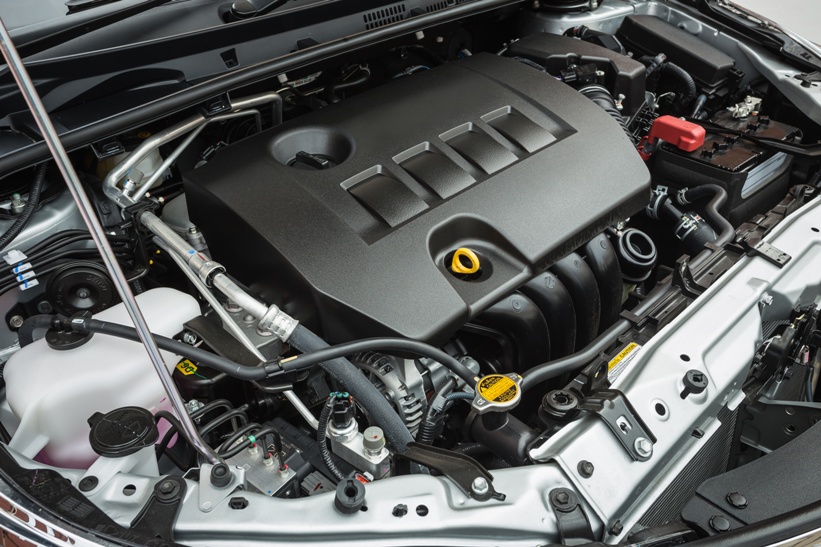
Just what is the average life of a car engine? For some time, the average lifespan of a car's engine was 8 years or 150,000 miles. New designs, better technology, and improved service standards in recent years have increased this average life of a car’s engine is about 200,000 miles or about 10 years.

There are few things that impact the lifespan of an engine, such as:
  • Where you live—if you live up a steep hill, or if you have to pass over rough terrain on a regular basis, your engine will undergo more stress and will likely not last as long as it would if you generally drive on flat, smooth roads.
  • The type of car—Heavy-duty trucks normally won’t last as long as smaller cars do.
  • Keep up with maintenance—If you perform all of your routine maintenance on time, have regular car service, and take care of compulsory engine repair sooner rather than later.
There is no rule when it comes to how long engines will last.  Just remember that the key to a healthy, long-lasting engine is routine service and expert engine repair and you will be able to drive your vehicle for years to come.

Are you wondering what is the average life of a car engine?  Call our ASE Certified Technicians at Auto Max of Oregon for more information about engine repair and to make an appointment. Our auto repair shop proudly serves vehicle owners in Canby, OR and the surrounding areas.

Saturday, 30 May 2020

What are the Basic Car Maintenance Items Needed for Your Vehicle?

what are the basic car maintenance

Knowing the right vehicle maintenance items that are suggested for your car is the first step in keeping your car operating stronger and longer than usual.  You may be wondering what are the basic car maintenance items needed for your vehicle?  The first place to look is in your owner’s manual. This little book outlines a schedule of vehicle maintenance for easy reference.  

About every 12,000 miles, or every 12 months, ask your auto mechanic to perform a full inspection of your vehicle to evaluate the components and operating systems for general wear and tear. This inspection should include:
  • Oil changes, including filter replacement
  • Lights, tires, exhaust system
  • Brakes and steering systems
  • The engine—a tune up may be needed
  • Condition of fluids, such as the hydraulic fluid, transmission, and coolant
  • Cooling system, including the radiator, Serpentine belts, and hoses
  • Suspension system--shocks, struts, axles
  • Wheel alignment and tire balancing
  • Condition of the battery—including the alternator
Today’s newer vehicles will usually have an in-vehicle service reminder that will illuminate on the dashboard for certain maintenance services, such as oil changes, fluid level inspects, brakes, transmission, etc.  If you have an older vehicle, follow the vehicle maintenance schedule in your owner’s manual as these service intervals are still based on the number of miles driven within a certain time period.

By taking care of routine vehicle maintenance before an issue turns into an expensive repair, you will save time and money spent at an auto shop. It can also help prevent accidents and even save lives!

Do you want to know what are the basic car maintenance intervals for your vehicle? Call our ASE Certified Technicians at Auto Max of Oregon for more information about regular vehicle maintenance and to make an appointment. Our auto repair shop proudly serves vehicle owners in Canby, OR and surrounding areas.

Saturday, 16 May 2020

Why Your Car AC is not Blowing Cold Air?

why your car AC is not blowing cold air

The hot days of summer are almost here!  Even though we are looking forward to warmer temperatures, most people want to stay cool and relaxed in their car even for a short commute to work or to the store.  It’s especially important if you’re still planning a summer road trip.  Your car air conditioner will get a lot of use over the summer so don’t find yourself why your car is not blowing cold air.

So wondering why your car AC is not blowing cold air?  One easy solution may just be that fresh coolant is needed in the radiator. Other reasons may include:
  • There is not sufficient pressure in the AC’s compressor for the refrigerant to cool correctly.
  • There is a clog in the system allowing the high-pressure refrigerant to slowly decompress through the block. 
  • The AC unit is exposed to stress from the heat of the engine, road debris, dirt, vibrations, quick stops, or even run-ins with curbs or other obstacles in the road, creating small cracks through which the refrigerant is escaping.  
  • The cooling fans could be burned out, badly mounted, a chipped blade, or a blown fuse or burnt-out relay.
  • Faulty signals received from the electrical system caused by a broken wire or bad module, bad sensors tripping off your system or causing the system to shut off inadvertently.  
Because today’s car air conditioners are much more complex than in years past, it is vital that you schedule auto AC service with a mechanic that is certified to handle refrigerants. You will reap the benefits of a more relaxed ride, increased gas mileage, and a more environmentally-friendly vehicle.

So if you’re wondering why your car AC is not blowing cold air, call our ASE Certified Technicians at Auto Max of Oregon for more information about auto AC service and to Make an appointment. Our auto repair shop proudly serves vehicle owners in Canby, OR and surrounding areas.

Monday, 20 April 2020

Wondering what are Signs of a Bad Axle?

what are signs of a bad axle


There are some different signs of a bad axle, all of which are fairly obvious as it significantly impacts how your car handles while driving down the road.  You may be worried how it affects the car struts and shocks.  

Are you wondering what are signs of a bad axle?  Here are the most common signs:
  • Wobble and Vibration While Driving – Excessive vibration after hitting a deep pothole, running over a curb, or other objects in the road, causing unusual rumbling noise underside the vehicle, tire wobbling, sluggish driving, could be an indicator of a damaged axle. Vibrations may be particularly noticeable while accelerating, slowing down, or turning.  If the axle is damaged enough to cause vibrating, it usually wants to be replaced.
  • Loud Clunking or Clanking – If you hear loud clunking as you put your vehicle into gear or if your vehicle struggles for power as it starts to move, there may be axle damage.  Adequate power from the transmission cannot be transferred to the wheels due to slack in the joints. A loud clunking noise can also be an indicator of transmission failure, so be sure to have it checked out.
  • Leaking Grease – Leaking grease underside the vehicle or on the inside tire edge can mean a leaking axle boot or CV boot. A leaking axle boot does not necessarily mean that the axle has been damaged, but a lack of grease can cause future issues.  If dirt gets through a broken joint cover, it can cause failure to the axle. Axle boots and boot clamps are easily visible underside a vehicle and should be checked regularly. 
  • Brakes – If a bent axle makes the wheels wobble, it can lead to brake failure due to the brake pads becoming misaligned with the wheels.
Of course, if the axle is completely broken, you will go now here.  The engine may be running, but your car can’t move without the transfer of power from the transmission.  Axles are as vital to a correctly functioning and safe vehicle as much as the engine, steering, car struts, and tires. 

Do you want to know what are signs of a bad axle? Call our ASE Certified Technicians at Auto Max of Oregon today for more information about car axles, car struts, brakes, and more, and to make an appointment. Our auto repair shop proudly serves vehicle owners in Canby, OR and surrounding areas.

Friday, 21 February 2020

How Often Do You Need To Replace Your Car Battery?

how often do you need to replace your car battery


Have you ever had to call for roadside assistance because of a dead battery?  As you know, if your battery is starting to fail, your vehicle won’t have the power to start, move, or power any of the electrical accessories.

Wondering what issues could cause starting problems?  Check out the problems below: 
  1. Battery terminals and cables may be loose, broken, corroded, or calcified, 
  2. The fluid level in the terminals may be too low,
  3. An electrical current is drawing power from the battery even when the car is turned off,
  4. The starter is going bad,
  5. The alternator is going bad
So you may be wondering how often do you need to replace your car battery?  Normally, under normal driving conditions, car batteries can become worn down and inefficient between 4 and 7 years. Car batteries work just like cell phone batteries—with every charge it becomes less efficient.  Once your battery reaches the four-year mark, it may be almost totally unreliable.  A weak battery can have a negative effect on all the components of the auto electrical system, such as headlights, radio, power windows, etc.  

Another big problem relating to car batteries is the stop-start technology in newer cars that are designed to automatically switch off when at a standstill.  This places a greater strain on batteries than standard vehicles.  The powerful computers found in today’s cars are operating all the time, even when the vehicle is parked and switched off, drawing energy from the battery at a slow, steady rate. 

Here are several signs that it may be time for a car battery replacement:
  1. The engine won’t start even though you hear it cranking. 
  2. You turn the key in the starter but nothing happens.
  3. Your vehicle may start randomly one day and not the next.  
Remember to add car battery maintenance to your automotive service checklist, just like changing the oil, tires rotation, air filter, and windshield wipers.   

Do you know how often do you need to replace your car battery?  Call our ASE Certified Technicians at Auto Max of Oregon for more information about a car battery replacement and to make an appointment. Our auto repair shop proudly serves car owners in Canby, OR and surrounding areas.